
 中文
中文
 Español
 Français
 Русский
 日本語
日本語
 한국어
한국어
 Tiếng Việt
 Bahasa Indonesia
 ภาษาไทย

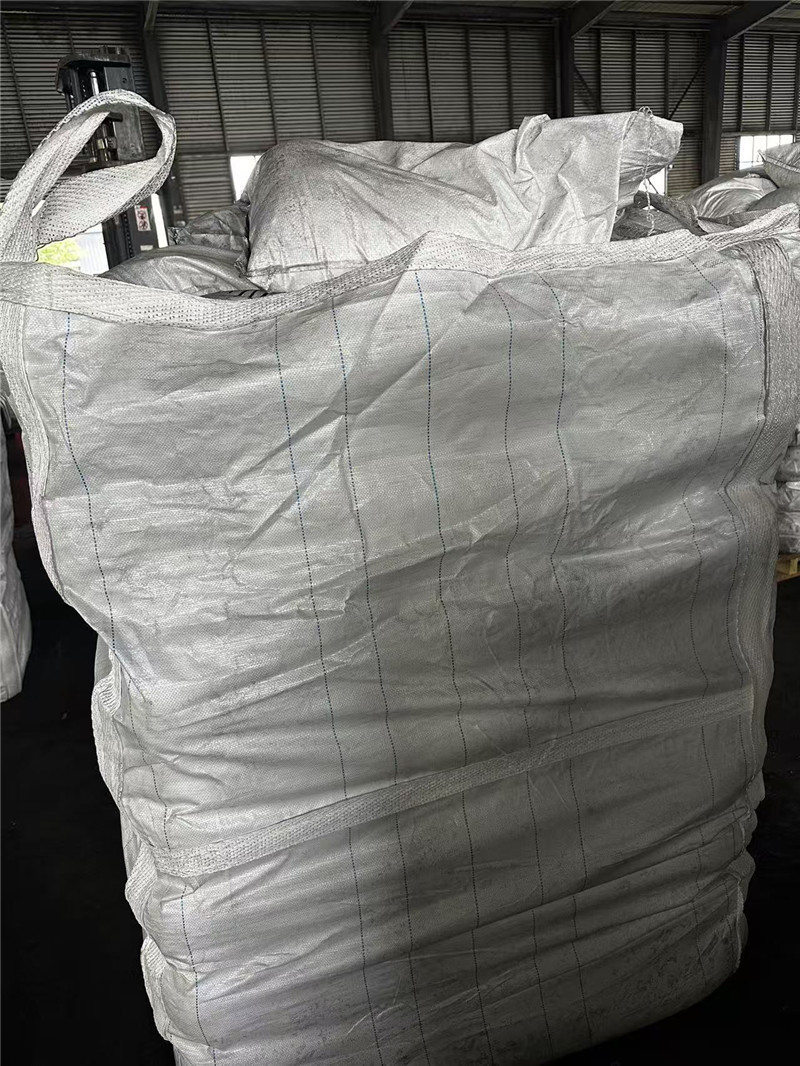
Sodium silicate behaves differently in cold and hot climates. Temperature affects viscosity, solubility, packaging integrity and even chemical stability. If you buy, ship or store silicate in regions with wide seasonal swings, these climate-specific guidelines will help.
Cold Climate Challenges
Increased Viscosity
As temperature drops, liquid sodium silicate becomes thicker and harder to pump or pour. Warming the container to 20–30°C restores normal flow. Use warm water jackets or heated storage rooms, not open flames.
Freezing Risk
Some diluted grades can freeze near 0°C. Freezing may crack containers, separate solids or permanently alter the solution. Store liquid grades above 5°C whenever possible. If a product does freeze, thaw it slowly and mix thoroughly before use, then test a sample.
Solid Grade Moisture
Stored powders and lumps exposed to high humidity can cake even in cold weather. Keep bags sealed and on pallets off the cold floor to avoid condensation.
Hot Climate Challenges
Evaporation and Concentration
High temperatures accelerate water loss from open or partially sealed containers. This raises concentration and viscosity, and can leave scale on drum walls. Keep containers sealed and store in shaded, ventilated warehouses.
Container Pressure
Heat increases vapor pressure inside drums and IBC tanks. Avoid overfilling and keep pressure-relief caps clean. Never expose containers to direct tropical sun for long periods.
Algae and Biological Growth
Very dilute silicate solutions in warm conditions can support algae or bacterial slime in open tanks. Use covered tanks and periodic circulation to discourage growth.
Shipping Across Climate Zones
- Choose insulation or heating blankets for winter sea voyages in cold regions.
- Avoid leaving containers on hot docks or in unventilated containers during summer.
- Label packages with temperature limits if your supplier recommends them.
- Allow product to reach warehouse temperature before opening to reduce condensation.
Warehouse Best Practices Year-Round
- Maintain 5–40°C storage and protect from frost and direct sun.
- Use FIFO rotation to limit long-term storage.
- Inspect drums and bags monthly for leaks, swelling or caking.
- Keep absorbent spill kits and neutralizing agents nearby.
FAQ
At what temperature does sodium silicate freeze?
Freezing point depends on concentration. Many industrial liquid grades remain fluid to well below 0°C, but dilute solutions can freeze near 0°C. Check the supplier datasheet.
Can I store drums outside?
Not recommended. Temperature swings, UV exposure and moisture shorten shelf life and can damage packaging.