
 中文
中文
 Español
 Français
 Русский
 日本語
日本語
 한국어
한국어
 Tiếng Việt
 Bahasa Indonesia
 ภาษาไทย

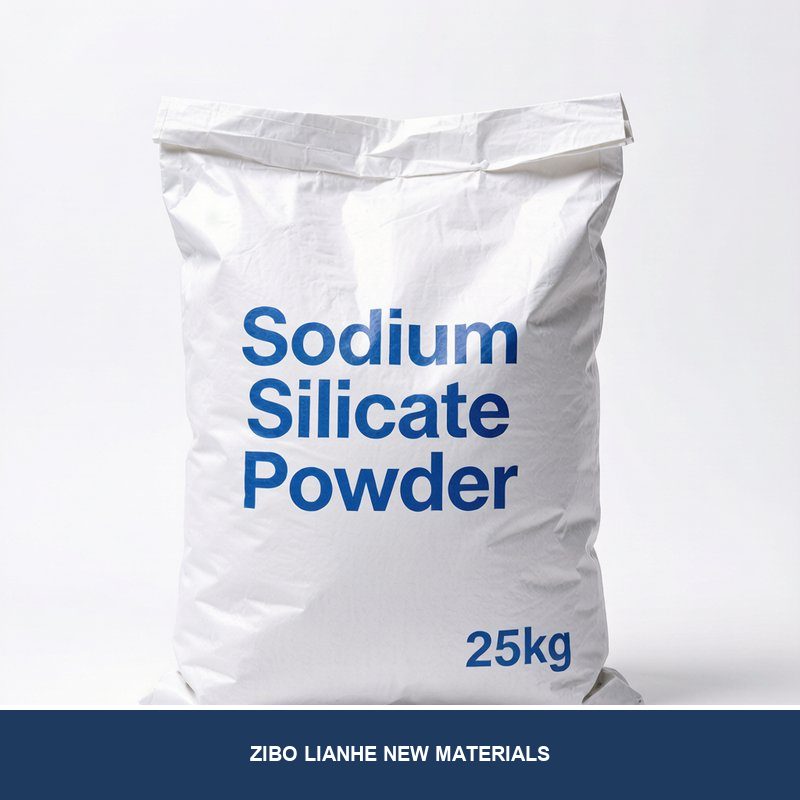
Some buyers prefer solid sodium silicate because it reduces shipping cost and storage volume. Before use, however, it must be dissolved into an aqueous solution. Doing this safely and efficiently requires attention to water temperature, agitation and concentration.
What You Need
- A heated dissolution tank with mechanical agitation
- Softened or deionized water (hard water causes precipitates)
- Heat-resistant, alkali-compatible materials (stainless steel, PE, lined steel)
- PPE: chemical goggles, gloves, long sleeves and face shield
Step 1: Heat the Water
Fill the tank with the required amount of water and heat to roughly 60–80°C. Higher temperatures speed up dissolution but increase evaporation and energy cost. Avoid boiling, which can cause foaming.
Step 2: Add Solid Silicate Slowly
Add the solid slowly while the agitator is running. Dumping large lumps in at once can form a sticky mass at the bottom that dissolves slowly. Powder grades dissolve faster than lumps but can create dust — add them under the liquid surface if possible.
Step 3: Agitate Until Clear
Continue mixing until the solution is homogeneous and free of visible particles. This usually takes from 30 minutes to several hours depending on form, water temperature and concentration. Periodically check the tank bottom for undissolved material.
Step 4: Cool and Adjust Concentration
Let the solution cool to ambient temperature. If it is too strong, add more water and mix. If it is too weak, dissolve additional solid or blend with a stronger batch. Calculate concentration by weight or by Baumé hydrometer reading.
Safety Notes
- The dissolution process is exothermic; the solution will become hot during mixing.
- Never look directly into the tank opening during agitation.
- Vent the area to avoid steam and any dust exposure.
- Store the finished solution in a sealed, labeled container.
FAQ
Can I dissolve sodium silicate in cold water?
Lumps dissolve very slowly in cold water. Hot water is strongly recommended for practical production rates.
What concentration should I target?
Common working concentrations range from 30% to 40% by weight, but always confirm the target with your application requirements.