Understanding the Sodium Silicate Manufacturing Process

Introduction

The production of high-quality sodium silicate requires precise control of raw materials, reaction conditions, and manufacturing parameters. At Zibo Lianhe New Materials, we employ advanced production technology to ensure consistent quality across every batch.

Raw Materials

The primary raw materials for sodium silicate production are silica sand (SiO₂) and soda ash (Na₂CO₃) or caustic soda (NaOH). The quality of these raw materials directly affects the final product quality. Our silica sand is sourced from select quarries with consistent purity of 99.3%+ SiO₂ content, and our alkali sources meet stringent international standards.

The Fusion Process

In the furnace fusion method, silica sand and soda ash are mixed in precise ratios and heated to approximately 1400°C in a regenerative furnace. The molten glass that forms is then quenched with water to produce solid glassy lumps — the basic form of anhydrous sodium silicate. This traditional method remains the most widely used for producing solid sodium silicate products.

The Hydrothermal Process

For liquid sodium silicate production, the hydrothermal (autoclave) method is employed. Silica sand is reacted with caustic soda solution under controlled temperature (150-180°C) and pressure (6-10 bar) in stainless steel autoclaves. This process produces liquid sodium silicate directly, with precise control over the SiO₂:Na₂O modulus ratio — a critical quality parameter.

Quality Control

Every batch undergoes rigorous testing in our ISO-certified laboratory. Key quality parameters tested include:

  • Modulus Ratio (SiO₂:Na₂O): Determines the product's chemical reactivity and application suitability.
  • Concentration (Baumé / % Solids): Critical for liquid product specifications.
  • Iron Content: Affects product color and purity for high-end applications.
  • Viscosity: Important for handling and application properties.
  • Solubility: Essential for powder and instant soluble grades.

Packaging and Storage

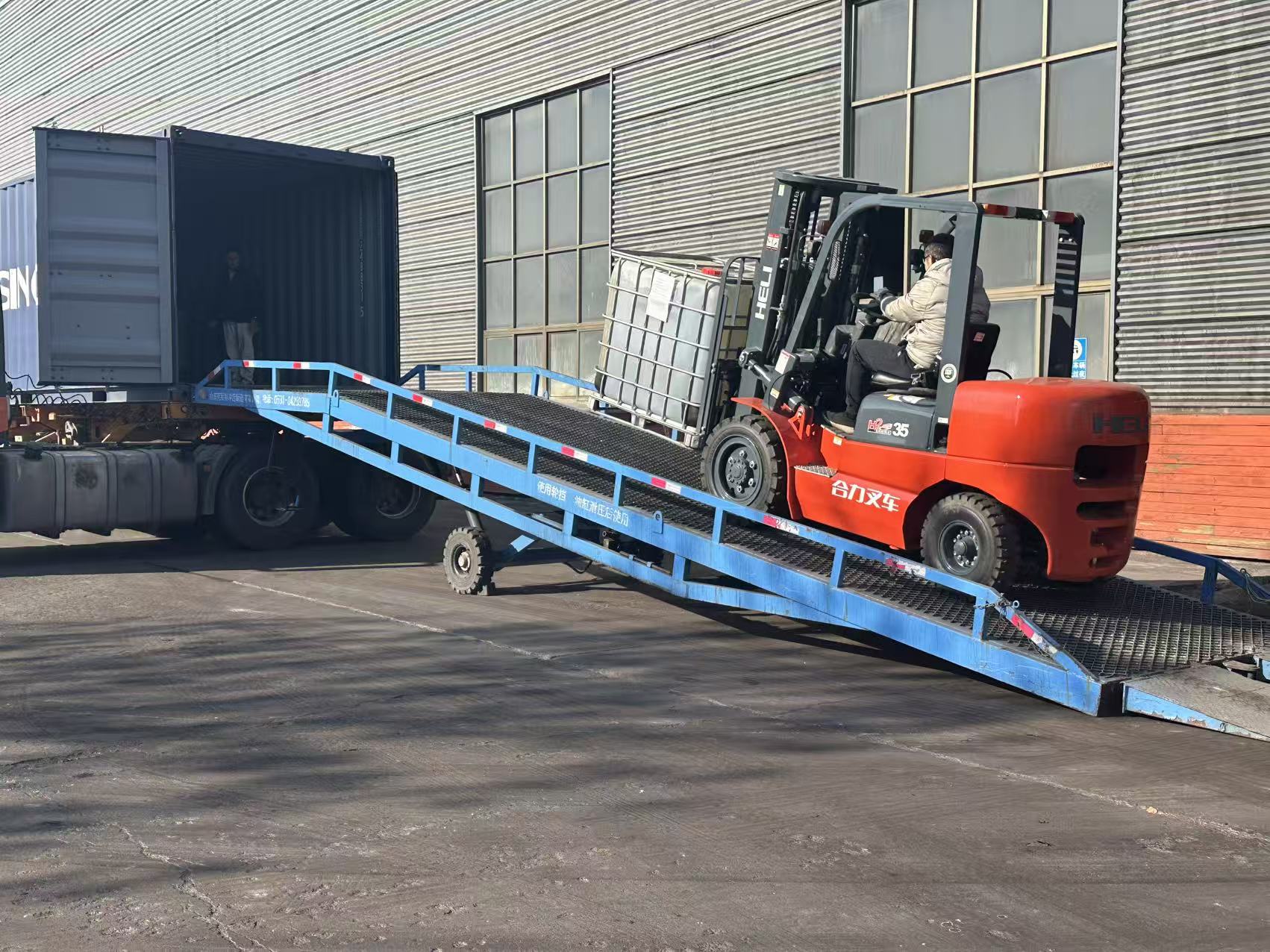
Finished products are packaged according to customer requirements — from 25kg bags and 200kg drums to 1000kg IBC totes and bulk tanker shipments. Our storage facilities maintain optimal conditions to preserve product quality, with a combined storage capacity of 30,000 tons.

Conclusion

The sodium silicate manufacturing process combines traditional chemistry with modern process control to deliver consistent, high-quality products. Understanding this process helps our customers appreciate the value they receive in every shipment.

Share