
 中文
中文
 Español
 Français
 Русский
 日本語
日本語
 한국어
한국어
 Tiếng Việt
 Bahasa Indonesia
 ภาษาไทย

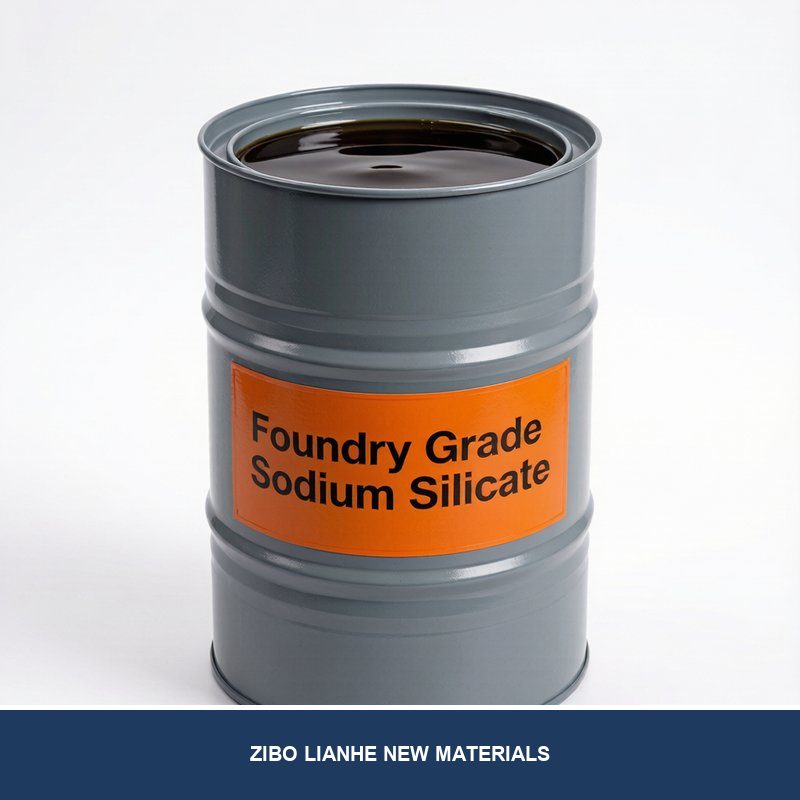
Beyond detergents and foundry molds, sodium silicate is widely used as an inorganic binder. Its heat resistance, low cost and environmental profile make it attractive for adhesives, cements and refractory mortars where organic glues would burn away or release fumes.
How Silicate Binders Work
Sodium silicate acts as a film-forming adhesive. As water evaporates or reacts with a setting agent, the silicate forms a rigid silica gel that locks particles together. The bond is non-flammable, heat-resistant and chemically stable in many environments.
Paper and Cardboard Adhesives
Corrugated board and paper-tube manufacturers use sodium silicate adhesives because they set quickly under heat and create strong, rigid bonds. Silicate adhesives are also moisture-resistant once fully dried, which is useful for packaging that must survive humid conditions.
Mineral and Construction Bonding
Sodium silicate bonds sand, vermiculite, perlite and other mineral aggregates. It is used in:
- Acid-resistant cement and mortars
- High-temperature insulation boards
- Fireproof coatings and sprays
- Soil stabilization and grout
Refractory Applications
In refractory mortars and castables, sodium silicate provides green strength before firing and helps the material hold its shape. A small amount of setting agent — often a fluoride or cement — can accelerate hardening. Because the silica ultimately contributes to the ceramic bond, silicate binders perform well at elevated temperatures.
Mix Ratios and Setting
Typical binder levels range from 5% to 15% by weight of the dry mix, depending on the aggregate and required strength. Setting speed can be adjusted by:
- Changing the silicate modulus (higher modulus sets faster)
- Adding a setting agent such as sodium silicofluoride or cement
- Applying heat to drive off water
Advantages and Limits
Advantages include low cost, non-flammability, heat resistance and low VOC. Limits include brittle cured films, sensitivity to moisture before full cure and incompatibility with some metals. Always test the bond under actual service conditions.
FAQ
Is sodium silicate adhesive waterproof?
Fully cured silicate films resist moisture well, but they can soften if continuously soaked. For submerged applications, organic or hybrid binders may be better.
Can it replace organic wood glue?
For interior, dry, non-structural applications, yes. For exterior structural wood, modern PVA or polyurethane glues usually give better flexibility and water resistance.