
 中文
中文
 Español
 Français
 Русский
 日本語
日本語
 한국어
한국어
 Tiếng Việt
 Bahasa Indonesia
 ภาษาไทย

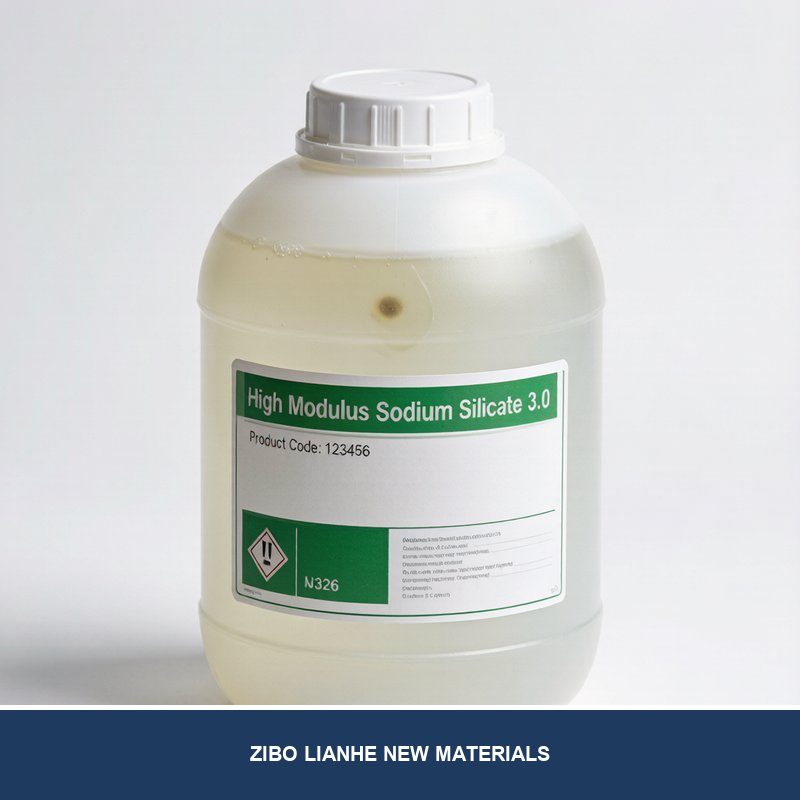
Even high-quality sodium silicate can misbehave if it is stored, diluted or handled incorrectly. The three most common complaints are gelling, scaling and precipitation. Each has a different cause, but most are preventable with the right habits.
Problem 1: The Solution Gels in the Container
Causes:
- Carbon dioxide from air neutralizes the silicate over time.
- Accidental acid contamination or pH drop.
- Contact with polyvalent cations (calcium, magnesium, iron).
Fix: Partial gels may be broken up and re-dissolved with gentle heating and agitation, but heavily gelled material should be discarded. Prevention is more reliable: keep containers sealed, use compatible materials and avoid cross-contamination.
Problem 2: White Scale on Equipment
Causes:
- Evaporation of water leaves a silica-rich film.
- Slow leaks or drips dry onto warm surfaces.
- Reaction with CO₂ forms sodium carbonate and silica residue.
Fix: Soak or wipe equipment with warm water. For stubborn scale, a mild alkaline cleaner followed by thorough rinsing works. Avoid mechanical scraping on sensitive surfaces. Prevent scale by cleaning spills immediately and flushing lines after use.
Problem 3: Cloudy Precipitate After Dilution
Causes:
- Hard water containing calcium or magnesium.
- Reaction with dissolved iron or other metals.
- Over-dilution beyond the stable range for the grade.
Fix: Switch to softened or deionized water. If metal contamination is suspected, check tank and pipe materials. Re-test with a small batch before processing a full tank.
Problem 4: Increased Viscosity in Cold Weather
Cold temperatures thicken sodium silicate, sometimes making it hard to pump. Fix: Warm the drum or storage tank gently. Do not overheat, and never use open flame directly on containers.
Best Practices to Avoid Problems
- Use compatible materials: stainless steel, PE, PVC, glass or lined steel.
- Store at 5–40°C, sealed and away from acids.
- Dilute with soft or deionized water.
- Rotate stock and use oldest material first.
- Keep equipment clean and flush lines after transfer.
FAQ
Can I filter out the precipitate and still use the solution?
Filtering removes solids but the solution chemistry may already be changed. Test it in your process before relying on filtered material.
Why does my drum have a crust on top?
The crust is usually dried silicate or reacted surface material caused by poor sealing or repeated air exposure. Remove it and improve sealing.