
 中文
中文
 Español
 Français
 Русский
 日本語
日本語
 한국어
한국어
 Tiếng Việt
 Bahasa Indonesia
 ภาษาไทย

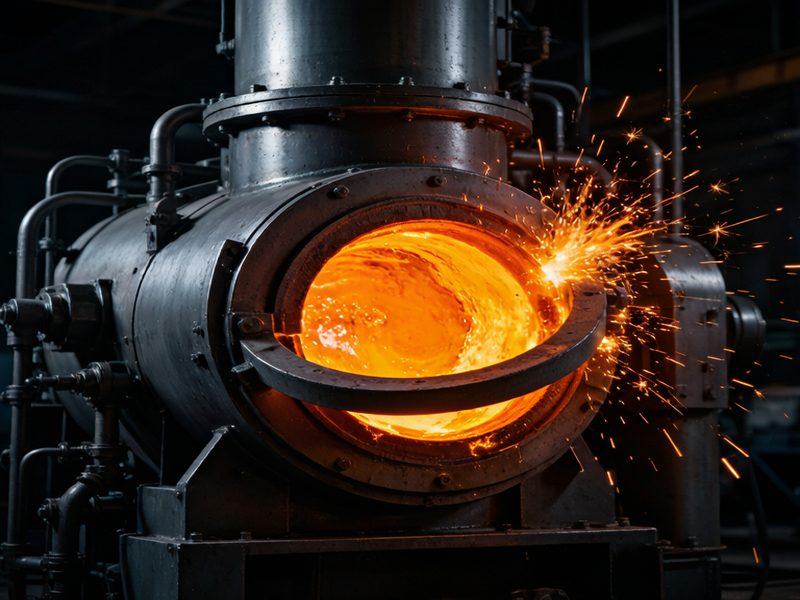
Every batch of sodium silicate starts with two common raw materials — silica sand and soda ash — and ends with a product that shapes countless industries. Here is the production journey explained step by step.
Step 1: Raw Materials
The process begins with high-purity silica sand (SiO₂) and soda ash (sodium carbonate, Na₂CO₃). The purity of the sand largely determines the quality of the final product, which is why manufacturers screen raw material carefully.
Step 2: High-Temperature Fusion
The blended raw materials are charged into a furnace and heated to approximately 1300–1500°C. At this temperature the mixture melts into a homogeneous glass. The ratio of sand to soda ash controls the modulus of the resulting product.
Step 3: Two Routes From the Furnace
Solid route: the molten glass is discharged, cooled and solidified into lumps. These can be crushed into granules or milled into instant powder.
Liquid route: the solid glass is dissolved in water under pressure and temperature in an autoclave, producing a clear alkaline solution at the target Baume degree.
Step 4: Quality Control
Every batch is tested before shipment. Key checks include:
- Modulus — SiO₂/Na₂O ratio verified by titration
- Baume degree / density — for liquid grades
- Fe content — iron impurities affect color and performance
- Water-insoluble matter — residue after dissolution
Standards such as GB/T 4209 (China) and ASTM D2891 (international) provide testing frameworks used by reputable producers.
Why Production Quality Matters to Buyers
A stable production process means stable modulus and concentration from one batch to the next — which directly translates to consistent results in your detergent, ceramic or foundry process. Always request a Certificate of Analysis (COA) and, if possible, a third-party inspection report.
FAQ
Why does sodium silicate come in different moduli?
Because the ratio of sand to soda is adjusted in the furnace to produce grades tailored to different applications.
How long does the production process take?
From furnace charge to finished packaged product typically takes from hours to a few days depending on form.