
 中文
中文
 Español
 Français
 Русский
 日本語
日本語
 한국어
한국어
 Tiếng Việt
 Bahasa Indonesia
 ภาษาไทย

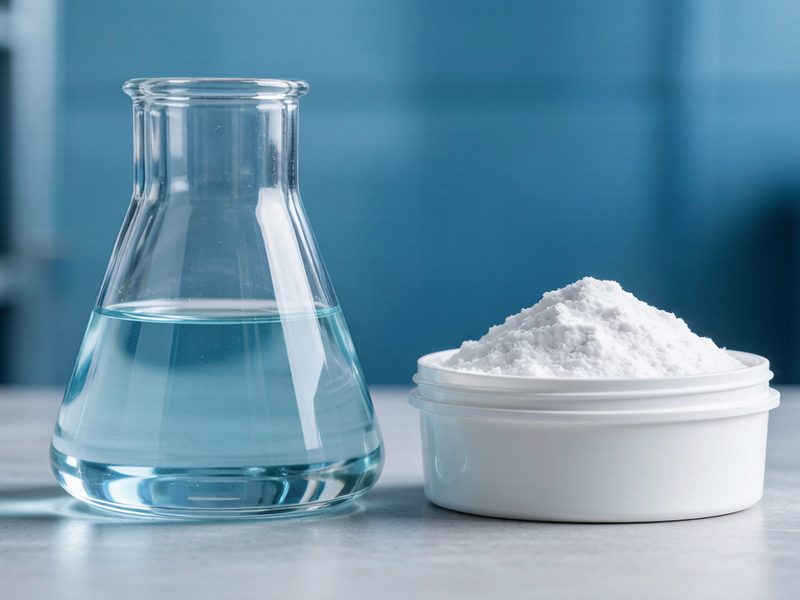
Sodium silicate can be purchased in several physical forms. Choosing the right one affects your logistics cost, storage space, handling complexity and even product quality. Here is an honest comparison to help you decide.
The Four Main Forms
| Form | Description | Best For |
|---|---|---|
| Liquid | Ready-to-use aqueous solution, 35–45 °Bé | Facilities with dosing tanks and short transport |
| Lump | Solid glassy chunks from the furnace | Long-distance shipping, buyers who dissolve on-site |
| Granule | Crushed solid, 1–5 mm particles | Easier handling than lump, moderate dissolve time |
| Powder | Ground to 80–200 mesh, fast dissolving | Precise dosing, cold-water mixing, detergent formulas |
Liquid Sodium Silicate
Pros: no dissolving step needed; consistent concentration; easy to pump and dose automatically.
Cons: heavy (mostly water) so transport cost per ton of SiO₂ is higher; must be protected from freezing; shorter shelf life.
Solid Sodium Silicate (Lump / Granule / Powder)
Pros: much lighter per unit of active silica, so freight is cheaper; long shelf life; powder grades dissolve rapidly even in cold water.
Cons: requires dissolving equipment and time; powder can be dusty during handling; lumps need crushing before dissolving.
Cost Comparison That Actually Matters
The price per ton of solid product is usually lower, but the real metric is cost per ton of contained SiO₂. Because solids carry far more active silica per kilogram than a 40% solution, they are typically the economical choice for buyers who import over long distances.
Storage Considerations
- Liquid: keep in sealed containers, store between 5–40°C, avoid frost.
- Solid: store in dry, moisture-proof conditions; powder grades are hygroscopic.
Recommendation
If you dissolve your own silicate and have hot water or steam, solid forms give the lowest landed cost. If you need plug-and-play dosing with no dissolving step, liquid is more convenient. Many buyers use a mix of both.
FAQ
How long does solid sodium silicate last?
Stored dry and sealed, solid grades can last several years without significant degradation.
Can liquid sodium silicate be diluted?
Yes, it can be diluted with water, but concentrated grades should not be frozen.