
 中文
中文
 Español
 Français
 Русский
 日本語
日本語
 한국어
한국어
 Tiếng Việt
 Bahasa Indonesia
 ภาษาไทย

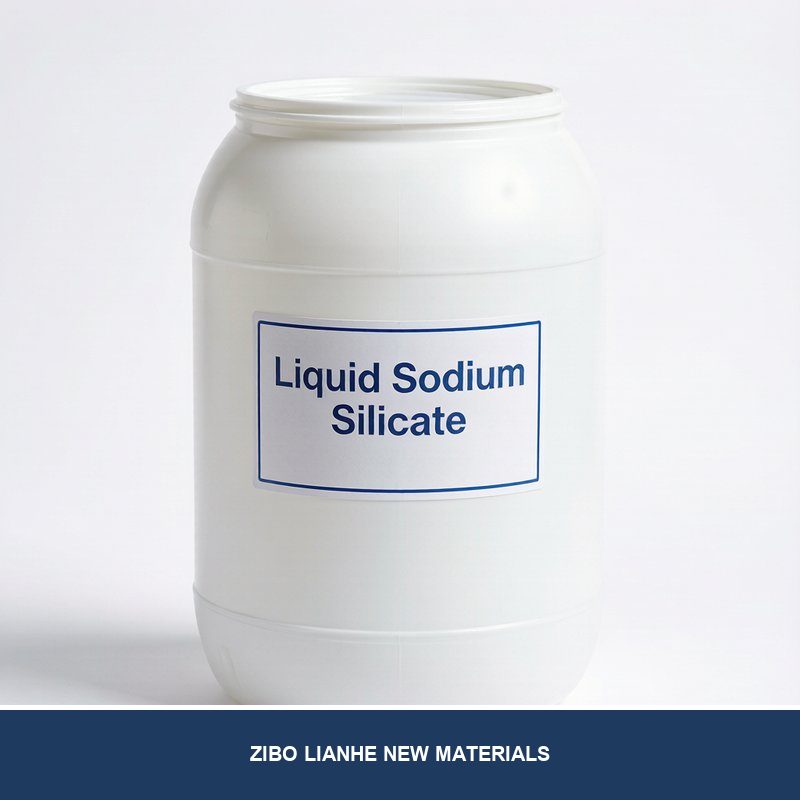
Sodium silicate is stable on its own, but when it meets certain chemicals the alkaline solution can react in seconds. These reactions can block transfer lines, damage pumps, release heat or produce hazardous gases. Knowing what not to mix is as important as knowing how to use it.
Strong Acids
Acids neutralize the alkali and drop the pH. As the pH falls, silica begins to polymerize and form a solid gel. The neutralization reaction is also exothermic. Never pour acid directly into concentrated sodium silicate. If acidification is required for a process, add the acid slowly to a large excess of water first and follow a validated procedure.
Ammonium Salts
Ammonium salts react with alkaline silicate to release ammonia gas. Common examples include ammonium chloride, ammonium sulfate and ammonium nitrate. Even small quantities can create a respiratory hazard, especially in enclosed spaces. Keep ammonium-based fertilizers and fluxes away from silicate storage.
Fluorides
Hydrofluoric acid and soluble fluorides attack the silica in sodium silicate. The reaction can produce silicon tetrafluoride and other toxic vapors while destroying the binding or sealing properties you need. Avoid any fluoride-containing cleaner or etchant in shared equipment.
Reactive Metals
Sodium silicate corrodes aluminum, zinc, tin and lead and can generate hydrogen gas. Do not store or handle silicate in aluminum fittings, galvanized drums or zinc-coated tanks unless the supplier has confirmed compatibility. Stainless steel, polyethylene and epoxy-coated steel are generally preferred.
Hard Water and Polyvalent Cations
Calcium, magnesium, iron and other multivalent ions can trigger precipitation or gelling. If you dilute liquid silicate with hard water, a cloudy precipitate may form immediately. For applications where clarity matters, use deionized or softened water.
Carbon Dioxide
Over time, carbon dioxide from the air slowly neutralizes silicate and can cause surface skinning or gelling. Keep drums and IBC tanks sealed and minimize headspace air contact. First-in-first-out stock rotation also reduces CO₂-related aging.
Safe Mixing Rules
- When diluting, add silicate to water rather than water to concentrated silicate.
- Never mix with strong acids, ammonium salts, fluorides or reactive metals.
- Use compatible materials: stainless steel, polyethylene, epoxy-coated steel, glass or PVC.
- Keep containers tightly closed when not in use.
- Have spill kits and an eyewash station accessible in mixing areas.
FAQ
Can sodium silicate be mixed with bleach?
Sodium hypochlorite bleach is generally alkaline and compatible in many detergent formulations, but test your specific grade and concentration because impurities can trigger precipitation.
What container material is safest?
Plastic drums, stainless steel, glass and properly lined steel are common choices. Avoid aluminum and unlined galvanized steel.