
 中文
中文
 Español
 Français
 Русский
 日本語
日本語
 한국어
한국어
 Tiếng Việt
 Bahasa Indonesia
 ภาษาไทย

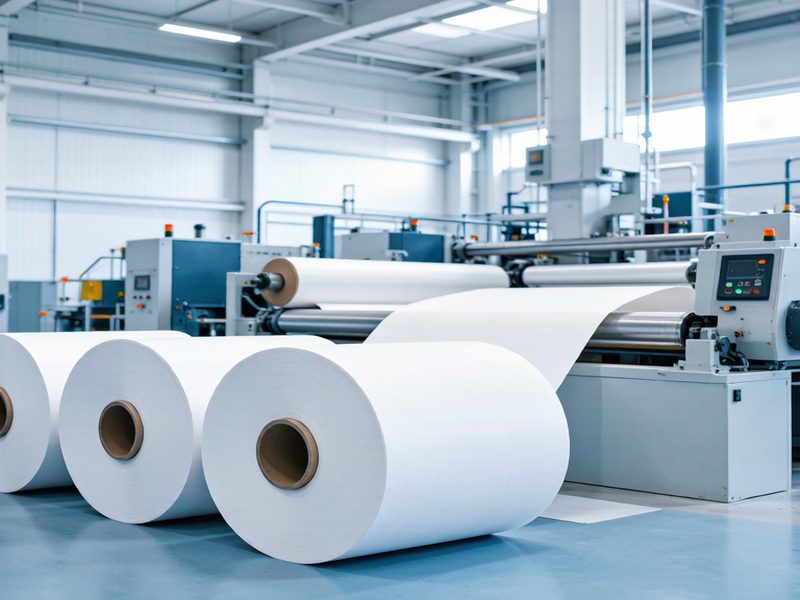
Papermaking may not be the first industry you associate with sodium silicate, but mills around the world depend on it for cleaner, brighter, stronger paper. Here are its main roles.
1. Peroxide Bleaching Stabilizer
The most important use. In brightening pulp, hydrogen peroxide is the bleaching agent, but trace metals such as iron, copper and manganese cause the peroxide to decompose too quickly. Sodium silicate deactivates these metal ions, so the peroxide works steadily and efficiently — giving whiter paper at lower chemical cost.
2. Sizing and Coating
Sodium silicate acts as a sizing and coating auxiliary, helping paper resist ink and water penetration and improving surface smoothness and brightness.
3. De-inking Aid
In recycled-paper mills, silicate helps detach ink from fibers during flotation de-inking, improving the cleanliness of the recovered pulp.
4. Adhesive and Laminating
Concentrated silicate solutions serve as low-cost adhesives for corrugated board and paper lamination, valued for rapid set and strong bond.
Choosing the Grade
Papermaking typically uses medium-modulus liquid sodium silicate (about 2.5–3.0). The exact grade and dosage depend on wood type, peroxide level and mill water chemistry — suppliers provide technical support for on-site tuning.
FAQ
Does sodium silicate affect paper brightness?
On the contrary, it improves brightness by stabilizing the bleaching process.
Is it safe for food-contact paper?
Approved silicate grades are used in some food-contact papers; verify with your supplier and local regulations.