
 中文
中文
 Español
 Français
 Русский
 日本語
日本語
 한국어
한국어
 Tiếng Việt
 Bahasa Indonesia
 ภาษาไทย

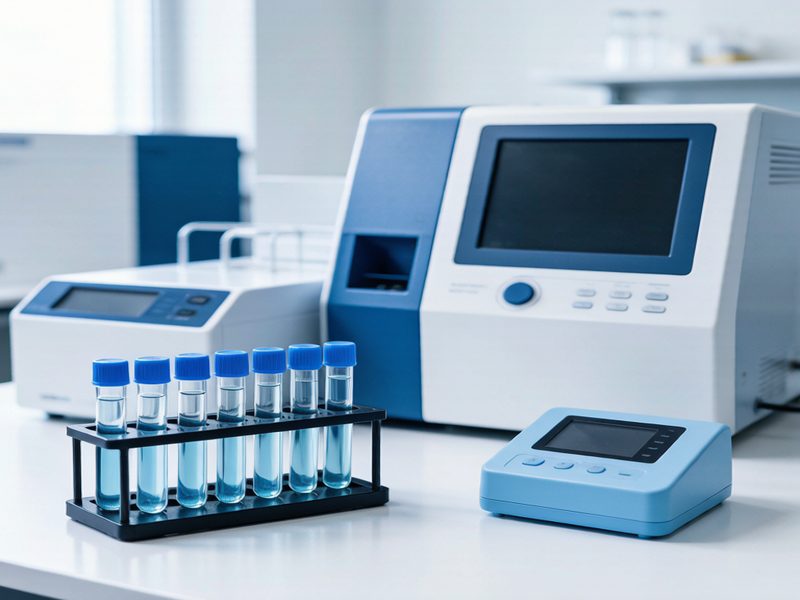
When a COA says "modulus 3.2" or "Fe ≤ 90 ppm", do you know how those numbers are measured? This guide explains the key sodium silicate quality parameters and the standards behind them.
The Core Parameters
| Parameter | What It Tells You | Typical Method |
|---|---|---|
| Modulus (SiO₂/Na₂O) | Chemical nature & behavior | Titration of Na₂O and SiO₂ |
| Baume degree | Liquid concentration | Hydrometer at 20°C |
| Fe content | Color & purity | Spectrophotometry / ICP |
| Water-insoluble matter | Cleanliness / dissolution | Filtration & gravimetric |
Standards Frameworks
GB/T 4209 is the Chinese national standard for sodium silicate, widely referenced in Asia. ASTM D2891 provides international test methods. A supplier that cites these standards demonstrates production discipline.
How to Read a COA
- Confirm the product grade matches what you ordered (modulus, °Bé).
- Check impurity levels (Fe, water-insoluble) against your specification.
- Verify the batch number and production date.
- Compare results across recent shipments for consistency.
Why Consistency Beats Averages
A single good test tells you little. What matters is whether every shipment meets the same specification. Track COAs over time — batch-to-batch stability is the true quality signal.
FAQ
What is a good iron content for sodium silicate?
For most industrial grades, Fe is specified in the tens of ppm range. Ultra-low-iron grades are available for premium applications.
Do all suppliers test to the same standards?
No — always ask which standard a supplier's testing follows, so you can compare apples to apples.