
 中文
中文
 Español
 Français
 Русский
 日本語
日本語
 한국어
한국어
 Tiếng Việt
 Bahasa Indonesia
 ภาษาไทย

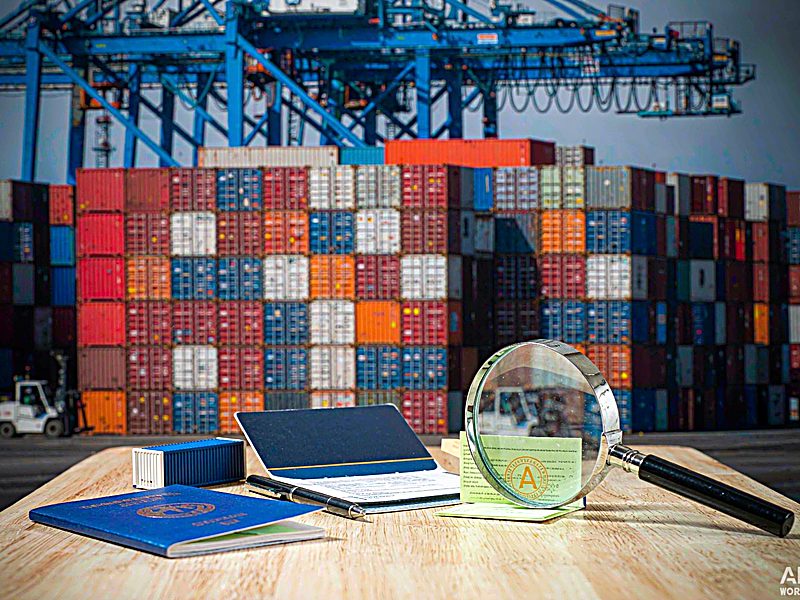
Importing sodium silicate is not only a logistics exercise — it is also a customs and compliance exercise. Tariff rates, anti-dumping duties and classification errors can add hundreds of dollars per container if handled poorly. This guide walks through what buyers need to know in 2026.
HS Classification Basics
Sodium silicate falls under HS heading 2839 (silicates; commercial alkali metal silicates). The most common subheadings used by importers are 2839.11 (sodium metasilicate) and 2839.19 (other sodium silicates). Getting the subheading right matters: duty rates and anti-dumping coverage often differ between the two, and deliberate misclassification is treated as customs fraud.
Typical Duty Structures
- Most-Favoured-Nation (MFN) duties are generally low for silicates in most markets — often in the single digits — but they vary by country.
- Free-trade agreements can reduce or eliminate duties when the goods meet the agreement's rules of origin. A certificate of origin is then essential documentation.
- Import VAT or GST applies in most destinations and is usually calculated on the duty-paid value, so it compounds the base tariff.
The Trade-Remedies Landscape
Because sodium silicate and sodium metasilicate are high-volume industrial chemicals, a number of markets have investigated imported product over the years:
- Anti-dumping (AD) and countervailing (CVD) duties have been imposed by several jurisdictions on silicate imports from specific origins at different times. Coverage changes as investigations open and expire — a product line cleared today can face duties next year.
- Expiry reviews and changed-circumstances reviews mean the duty landscape is never static. A buyer's best tool is a supplier who monitors trade-remedy news and flags changes early.
None of this means trade is blocked — it means due diligence is required. Reputable suppliers routinely export into markets with AD measures by ensuring correct classification, accurate valuation and complete documentation.
Compliance Checklist for Buyers
- Confirm the exact HS subheading with your customs broker before you negotiate, not after.
- Check the current duty rate for your origin–destination pair, including any trade-remedy duties in force.
- Ask the supplier for a certificate of origin if an FTA applies, and verify it matches your declared origin.
- Request COA and SDS — these support correct valuation and safe handling at the border and in your plant.
- Build tariff scenarios into landed-cost models, including a "worst case" if a review is pending.
FAQ
What HS code is used for sodium silicate?
Liquid and solid sodium silicate are typically declared under HS 2839.19, and sodium metasilicate under 2839.11. Confirm the correct subheading with your broker.
Are there anti-dumping duties on sodium silicate?
Several jurisdictions have applied or investigated anti-dumping measures on silicate imports from certain origins over the years. The situation changes as investigations open and reviews conclude, so verify current measures for your specific origin and destination.
Can a supplier help with customs clearance?
Experienced exporters provide accurate HS guidance, certificates of origin and complete documentation, but final clearance is executed by your local customs broker.