
 中文
中文
 Español
 Français
 Русский
 日本語
日本語
 한국어
한국어
 Tiếng Việt
 Bahasa Indonesia
 ภาษาไทย

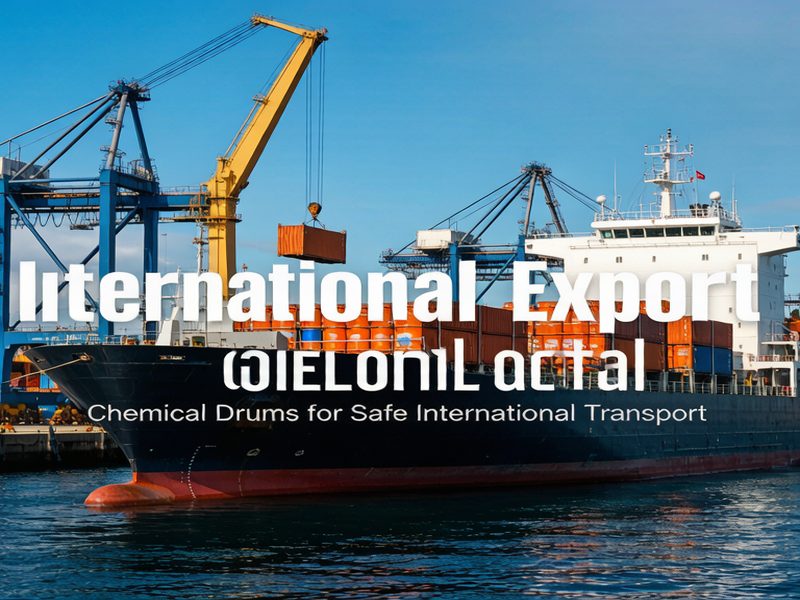
Whether it travels by sea, road or rail, sodium silicate has specific packaging and labeling requirements that keep handlers safe and shipments compliant. This guide covers what shippers and buyers need to know.
Packaging by Product Form
| Form | Common Packaging |
|---|---|
| Liquid | 25kg / 250kg drums, 1,250L IBC tanks, tanker trucks |
| Solid (lump/granule) | 25kg bags, 1,000kg big bags |
| Powder | Moisture-proof bags, big bags |
Dangerous Goods Classification
Concentrated liquid sodium silicate solutions are regulated in transport as UN 1824, Class 8 (corrosive), Packing Group III. Key requirements include:
- Proper UN specification packaging with corrosion-resistant liners.
- Hazard labels and marking per transport mode.
- Emergency contact and documentation (e.g., dangerous goods declaration for sea freight).
Many dilute grades are also regulated — always check the specific classification on your supplier's SDS.
Safe Loading & Handling in Transit
- Secure drums and IBC tanks to prevent movement during transport.
- Stack within load limits; do not overload containers.
- Protect packages from frost and extreme heat during the voyage.
- Use appropriate lifting equipment for heavy containers.
Documentation That Travels With the Cargo
- Safety Data Sheet
- Certificate of Analysis
- Dangerous goods declaration (sea freight)
- Packing list and commercial invoice
FAQ
Is sodium silicate considered a dangerous good?
Concentrated liquid grades are Class 8 corrosive (UN 1824). Solid anhydrous grades may also be regulated. Confirm with your supplier.
Can liquid silicate be shipped in flexitanks?
Yes, with proper approval and suitable tank type — check compatibility with your logistics provider.