
 中文
中文
 Español
 Français
 Русский
 日本語
日本語
 한국어
한국어
 Tiếng Việt
 Bahasa Indonesia
 ภาษาไทย

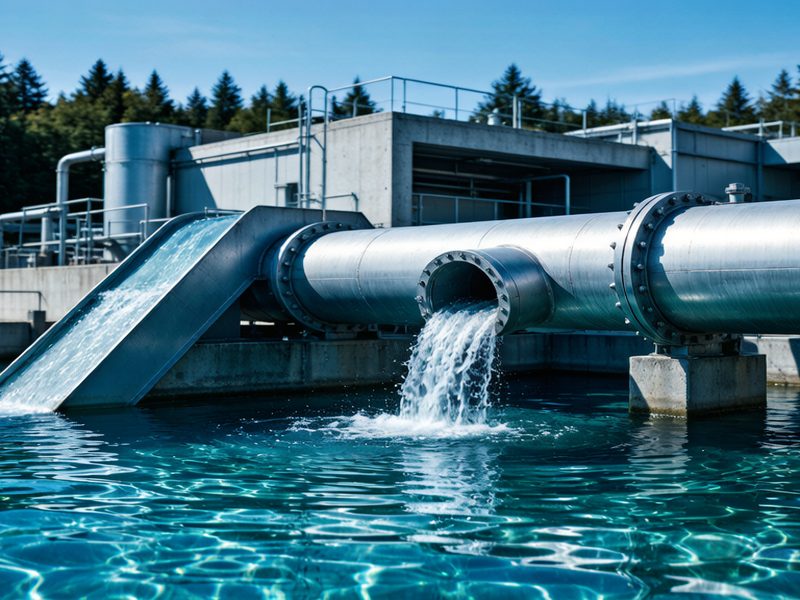
Water treatment engineers rely on sodium silicate for jobs that range from protecting miles of drinking-water pipe to stabilizing boiler chemistry. Here is how it works and where it is applied.
Corrosion Inhibition
Dosed into water systems, sodium silicate reacts to form a thin protective silica film on metal surfaces. This film shields pipes and equipment from corrosive attack, including the leaching of lead and copper from old plumbing.
- Used in drinking water distribution networks.
- Effective in industrial cooling systems.
- Helps in boiler feed water by stabilizing silica.
Coagulation and Flocculation Aid
In wastewater and raw water treatment, sodium silicate acts as a coagulant aid. It helps fine suspended particles gather into larger flocs that settle or filter more easily, improving clarification efficiency.
Iron and Manganese Control
Silicate complexes dissolved iron and manganese, preventing the reddish or black staining they cause in distribution systems.
Dosage and Grade
Water-treatment grades are typically liquid sodium silicate at medium modulus (2.5–3.0). For potable-water dosing, buyers should request a food-grade or potable-grade product with documented purity, and dose according to water chemistry testing — there is no one-size-fits-all number.
Safety Note
Always handle concentrated silicate with eye and skin protection. Dilute it properly before dosing; never mix with strong acids.
FAQ
Is sodium silicate safe in drinking water?
Food/potable-grade silicate is approved for use in drinking water systems in many regions at controlled dosages. Check local regulations.
How often is dosing adjusted?
Dosing depends on water chemistry and flow; periodic testing and adjustment is standard practice.