
 中文
中文
 Español
 Français
 Русский
 日本語
日本語
 한국어
한국어
 Tiếng Việt
 Bahasa Indonesia
 ภาษาไทย

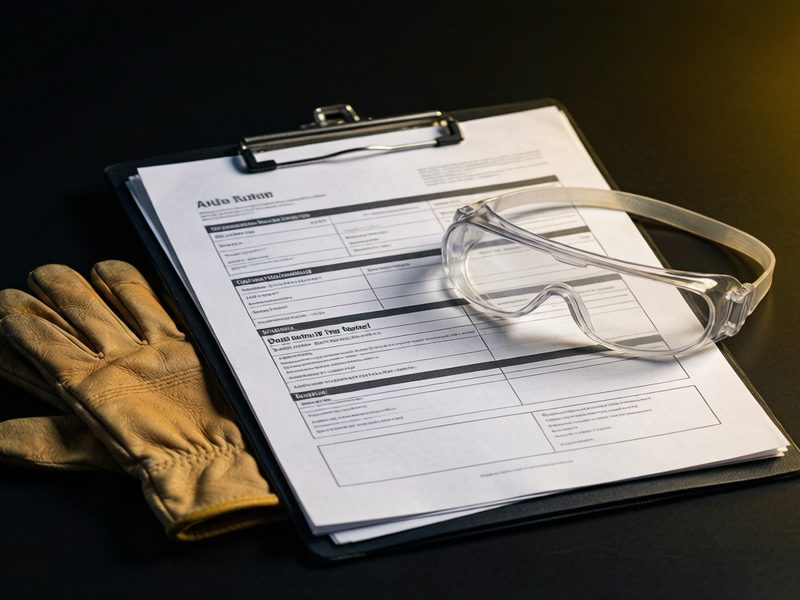
A Safety Data Sheet (SDS, formerly MSDS) is the first document you should read when buying any chemical. Here is a plain-language tour of the sodium silicate SDS so you know exactly what the warnings mean.
GHS Hazard Classification
Under the Globally Harmonized System, sodium silicate solutions are typically classified as:
- Skin corrosion/irritation — Category 2 (reversible skin irritation)
- Serious eye damage/irritation — Category 2A (irritating, can damage)
- Acute oral toxicity — Category 4 (harmful if swallowed)
The signal word is WARNING, and the product is not classified as flammable or explosive.
Key Sections to Read
Section 1 — Identification
Confirms the product name, CAS number (1344-09-8 for sodium silicate), supplier contact and recommended uses.
Section 3 — Composition
Lists the silicate concentration (commonly 35–40% in liquid grades) and water balance.
Section 4 — First-Aid Measures
Eye, skin, inhalation and ingestion response — summarized in our dedicated first-aid guide.
Section 7 — Handling & Storage
Keep containers closed, store cool and dry, avoid frost, and keep away from acids.
Section 8 — Exposure Controls / PPE
Typically: chemical splash goggles, nitrile or neoprene gloves, long sleeves, and local exhaust ventilation for spraying.
Why Buyers Must Read the SDS
- To plan safe warehouse storage before the goods arrive.
- To confirm PPE requirements for your staff.
- To check transport classification and UN number (UN 1824 for sodium silicate solution).
- To comply with import regulations in your country.
FAQ
Is sodium silicate flammable?
No — it is non-flammable. Use extinguishing media appropriate to surrounding fire.
Do I need an SDS for every shipment?
Reputable suppliers provide an SDS and Certificate of Analysis with each shipment or on request.