
 中文
中文
 Español
 Français
 Русский
 日本語
日本語
 한국어
한국어
 Tiếng Việt
 Bahasa Indonesia
 ภาษาไทย

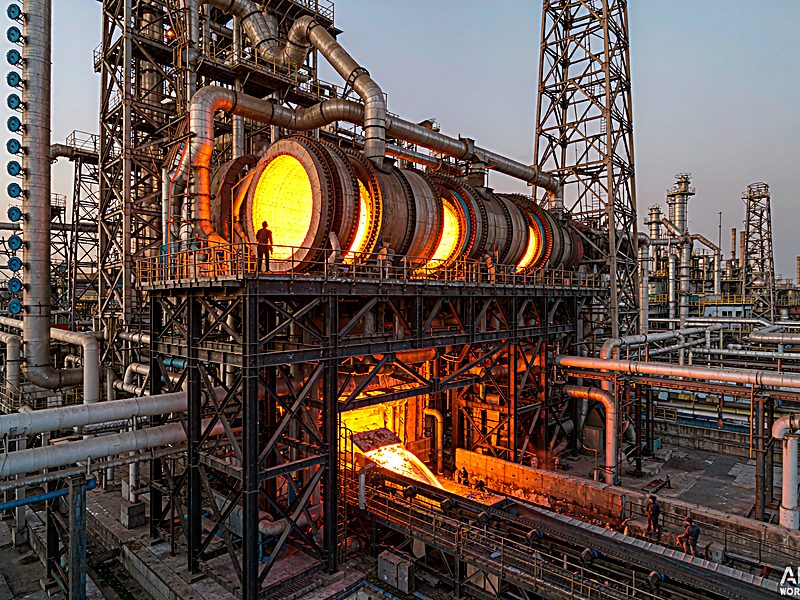
The sodium silicate industry is in an investment cycle. Several new furnaces and plant expansions announced over the past two years are now coming online or entering commissioning, and the map of global capacity is shifting. For buyers, this means more supply options, keener pricing and — if you choose carefully — better quality consistency.
Where the New Capacity Is
| Region | Direction | Typical Drivers |
|---|---|---|
| China | Modernization & relocation of older lines | Energy efficiency, environmental compliance, scale |
| Southeast Asia | New plants near glass and detergent industries | Local demand, import substitution, logistics savings |
| Middle East | Capacity built on cheap energy | Cost advantage for solid grades, export focus |
| India | Gradual domestic expansion | Large detergent and textile demand base |
Technology Trends in New Furnaces
New lines are not just bigger — they are materially cleaner and more controllable:
- Larger, continuous furnaces with better heat recovery, cutting energy use per ton of product.
- Fuel switching from coal to natural gas where available, which improves consistency and lowers emissions.
- Automated process control that holds modulus and Baume within tight windows, reducing batch-to-batch drift.
- Advanced dissolving and filtration producing clearer liquid grades with fewer insoluble particles.
These changes matter to buyers because product consistency is what makes a production line run smoothly — see our guide on quality testing and standards for what to verify on arrival.
What Expansion Means for Supply and Pricing
More capacity does not automatically mean cheap product, but it does mean more negotiating room. Regional markets that were tight — most notably Southeast Asia — are becoming better supplied as new local plants start up. Buyers who previously had no alternative to a single import source now have genuine second options. That said, commissioning delays are common, and new plants sometimes struggle to hold specifications in the first months, so quality verification remains essential even with new suppliers.
Risk of Overcapacity
History is a useful teacher here. The industry has seen waves of capacity investment followed by price pressure when demand growth slowed. Current global demand is healthy, but buyers should watch the demand–supply balance over 2026–2027 and negotiate contract structures that protect against both price spikes and overcapacity-driven price erosion.
FAQ
Will new capacity lower sodium silicate prices?
It tends to moderate prices in affected regions, especially where new local plants reduce import dependence. The effect is gradual rather than immediate.
Are new-generation furnaces more environmentally friendly?
Yes — modern lines typically use less energy per ton, switch to cleaner fuels and capture more emissions, which also helps buyers meet their own ESG requirements.
Should buyers switch to a new supplier?
New capacity is worth evaluating, but validate quality with trial shipments and certificates of analysis before committing large volumes.