
 中文
中文
 Español
 Français
 Русский
 日本語
日本語
 한국어
한국어
 Tiếng Việt
 Bahasa Indonesia
 ภาษาไทย

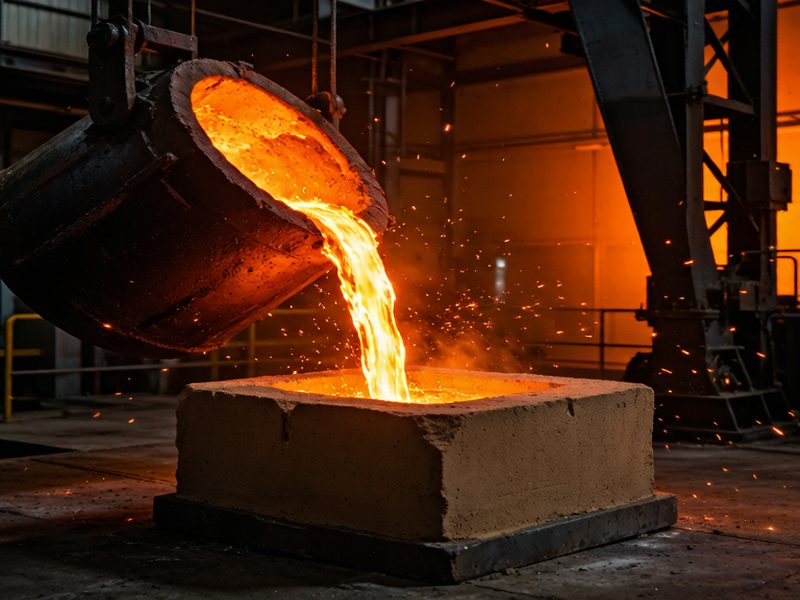
Foundries looking to cut emissions without sacrificing mold strength keep coming back to sodium silicate — the classic inorganic binder that hardens sand without harmful organic fumes.
Why Use Sodium Silicate as a Foundry Binder
Sodium silicate is mixed with silica sand to make molding sand. The sand is then hardened by one of two main methods, producing molds and cores strong enough to hold molten metal. Compared with organic resin binders, silicate-based sand is:
- Low-emission: releases far fewer volatile organic compounds (VOCs) during pouring.
- Cost-effective: silicate is inexpensive and widely available.
- Easy to handle: no heat curing required.
Two Main Hardening Methods
1. CO₂ Process
Carbon dioxide gas is passed through the silicate-coated sand. The CO₂ reacts to form silica gel, hardening the mold in seconds. This is the simplest and fastest method.
2. Ester-Cured (Self-Setting) Process
A liquid organic ester hardener is mixed into the sand. The mixture sets at room temperature over several minutes, giving longer working time for complex molds.
Choosing the Grade
Foundry grades typically use liquid sodium silicate at medium modulus (around 2.5–3.2) with high solids. The exact grade depends on your sand type, mold size and desired working time — your supplier should match the silicate to your process.
Sand Reclamation and Disposal
Silicate-bonded sand is harder to reclaim than resin sand, which is one of its few downsides. Many foundries blend reclaimed and fresh sand or use the spent sand in other applications. Dispose of spent sand according to local environmental regulations.
FAQ
Is sodium silicate sand suitable for steel casting?
Yes, with proper formulation. It is widely used for both ferrous and non-ferrous casting.
Why does my mold collapse?
Usually insufficient silicate, incorrect modulus, or sand that is too moist. Check the ratio and moisture content.